Document Solicitation

Automate Supplier Document Collection, Your Way

Custom forms, automated follow-ups, and effortless supplier uploads, all in one place.

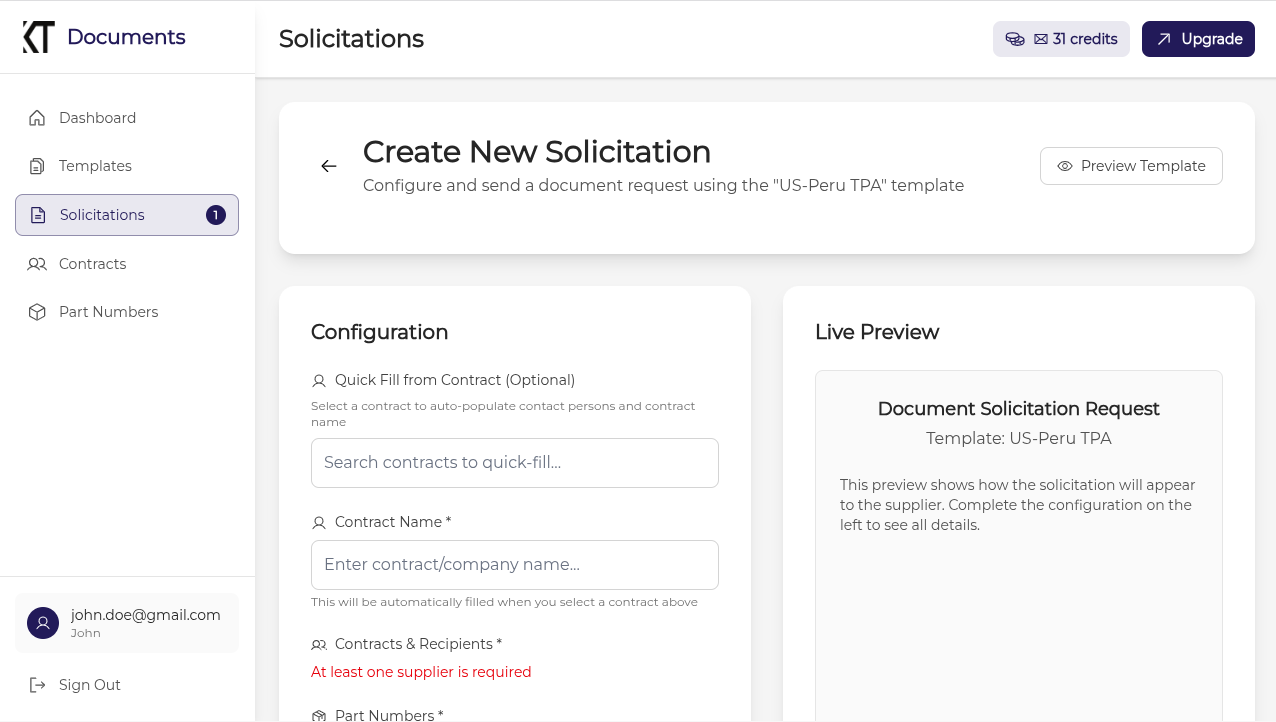
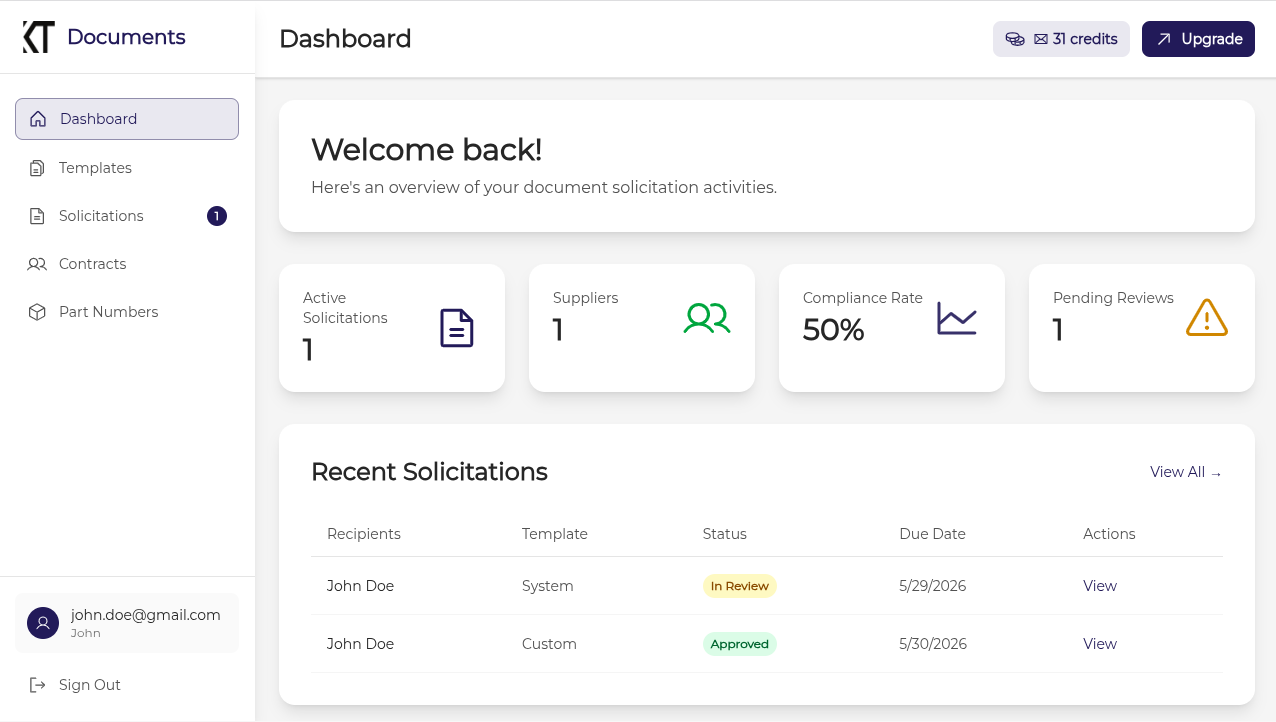
Stop chasing documents by email. With Kendrick Trade’s Document Solicitation platform, you can automatically request, receive, and review supplier compliance documents — from Free Trade Agreement certificates to mill certs and custom declarations.

Custom Templates & Forms

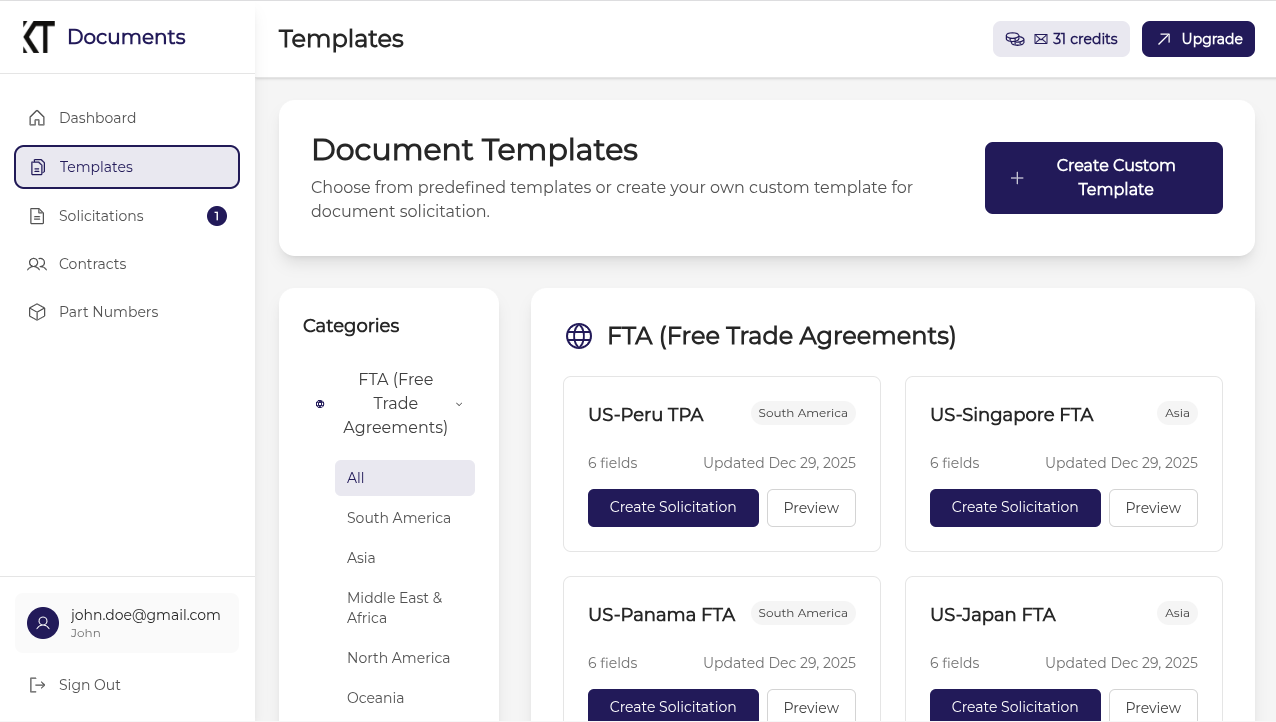
Create your own compliance forms or use ours. Save templates for recurring requests and adapt them anytime.

Automated & Manual Follow-Ups

Choose fully automated reminders or insert manual review steps where needed.

No Supplier Accounts Needed

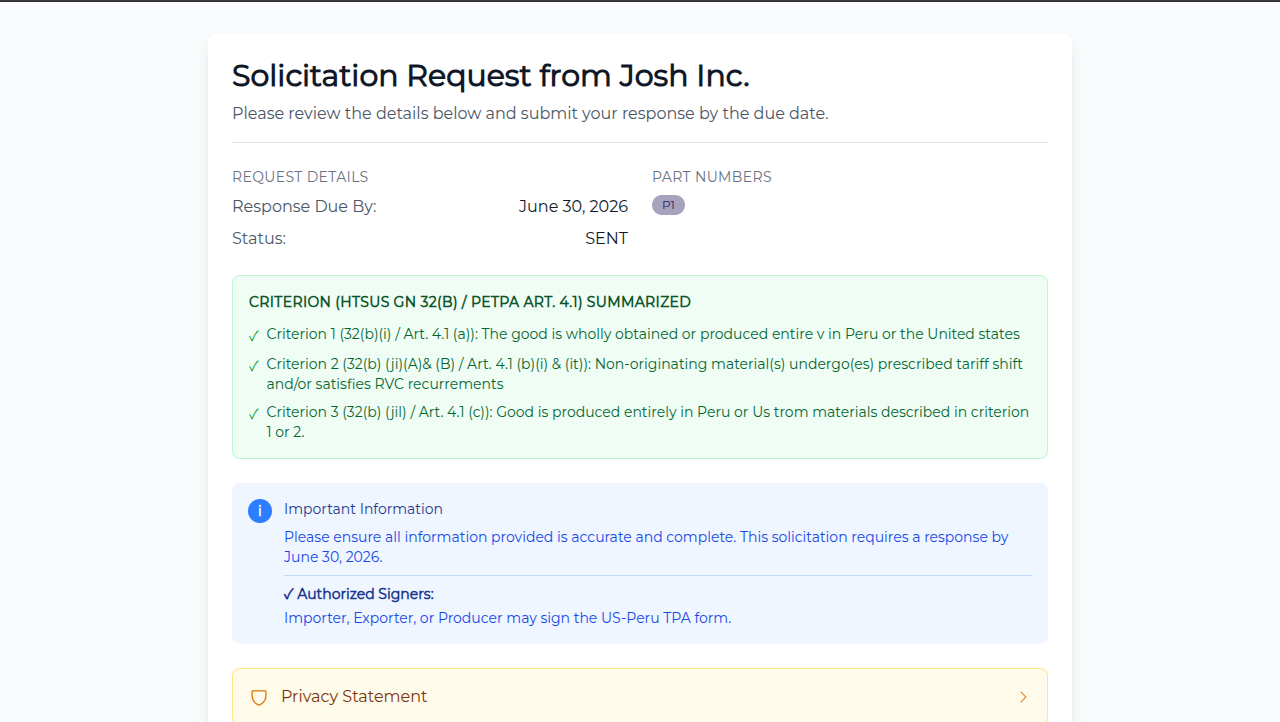
Suppliers can securely upload their files without creating an account.

Full Lifecycle Tracking

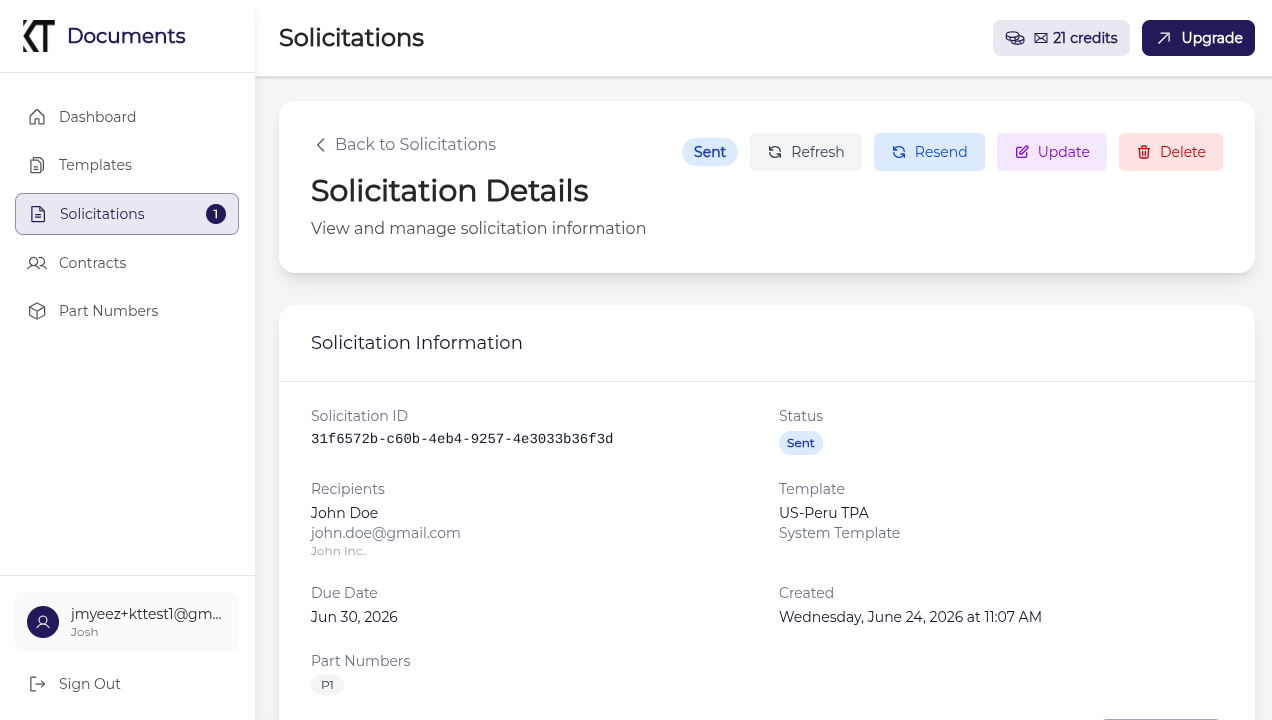
Track every document’s journey from request to approval.

Built-In Comparison Tools

Our system automatically compares received documents to your original request, flagging discrepancies for review.

Versatile Applications

Use it to solicit FTA certificates, mill certs, conflict minerals declarations, forced labor attestations, or any compliance form your program requires.

“We built this tool to eliminate the friction between suppliers and compliance teams — so you can focus on what matters most: accuracy, visibility, and peace of mind.”

Streamline your document collection ->

How We Help You

Simplifies the process

Our software can help streamline the use of US free trade agreements (FTAs), save time, and reduce the risk of errors by automating many of the tasks involved, including reviewing the rules of origin, generating detailed qualification worksheets, and creating FTA certificates.

Try for free

Supports Compliance

Kendrick Trade helps companies demonstrate reasonable care in their qualification process, providing detailed qualification documents and FTA certifications for your records.

Try for free

Reduces Cost

Save time and empower a wide range of employees to evaluate FTA eligibility. Everyone from engineers to supply chain can run scenarios evaluating the impact of design and component sourcing decisions on free trade eligibility.

Try for free

The Traditional Way is Tiring

You have much bigger things to focus on. Let us take the complexity out of Free Trade Agreements.

Complexity of Rules

The complexity of US Free Trade Agreements makes it difficult for manufacturers to comply without the support of costly experts.

Risk

Inaccurate claims can result in requests for information from customs, audits, and penalties.

Compliance

Complying with the rules and regulations governing trade can be a complex and challenging process, requiring significant investments in training, monitoring, and reporting systems.

Frequently Asked Questions

What is USMCA?

USMCA, or the US – Mexico – Canada Agreement, is a trade agreement between the three named countries that replaced the North American Free Trade Agreement (NAFTA). Please note that in Mexico, the agreement is referred to as Tratado entre Mexico, Estados Unidos y Canada (T-MEC)and in Canada, this agreement is referred to as the Canada – United States – Mexico Agreement(CUSMA).

Aren’t all products from the US, Canada, and Mexico automatically qualified?

No. An item coming from one of these countries isn’t the same as an item originating in one of these countries. Kendrick Trade’s USMCA tool analyzes Bills of Material (BOMs) to assess if the finished good meets requirements for preferential treatment as outlined in USMCA’s Annex 4-B Product Specific Rules of Origin.

What data do I need to qualify a good for USMCA?

To qualify a good for USMCA using Kendrick’s USMCA tool, you will need a costed bill of materials (BOM), origin data and HTS codes for both the finished good and its components.

How do I assign a harmonized tariff code (HTS) to my finished good or to components within the Bill of Materials (BOM)?

The Harmonized Tariff Schedule of the United States can be found at this link. Assigning the appropriate code can be a complex process. We recommend working with a customs expert. Need help? Inquire about a Kendrick consultant.

What if I don’t know the country of origin of a component?

Reach out to your supplier and ask them to provide you with a certificate of origin. If you purchase the same component on a regular basis, you can request a blanket certificate covering an extended period. It is recommended you keep certificates of origin on file in accordance with recordkeeping requirements, for no less than five years.

What are the US recordkeeping requirements of USMCA?

The importer claiming preferential tariff treatment and the exporter / producer in its territory must maintain records. The effective period is five years from date of importation for importer and five years after date on which certification of origin was completed, or longer as Party may specify. Records may be any medium, including electronic. Additional information can be found on the CBP website.

I qualified my goods; how do I make a claim?

Share a certificate of origin document with your broker that contains the minimum data elements required under Annex 5-A and request that they make claim with entry. If you’d like to use our tool to create a certificate, you may do so from the history tab “BOMs Previously Submitted.’

What are the requirements for a certificate of origin?

The nine requirements for a certificate of origin can be found in Annex5-A of the agreement. This information may be provided on an invoice or any other document. If you’d like to use our tool to create a certificate, you may do so from the history tab “BOMs Previously Submitted.’

How long will USMCA remain in force?

USMCA entered into force on July 1, 2020. A joint review of the agreement is set to take place six years after entry into force.